Self-Massage Techniques for Full-Body Ease
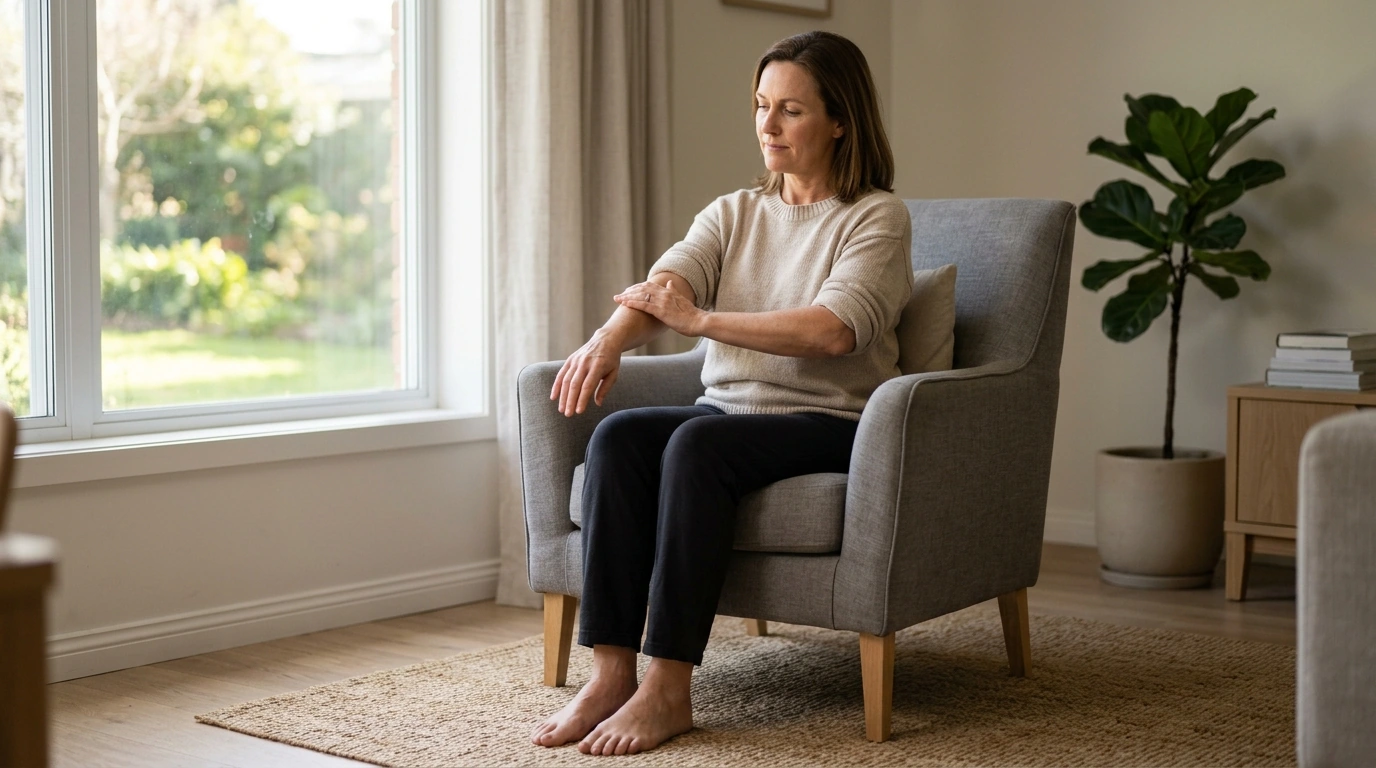
A self-massage routine can be as simple as taking a few quiet minutes to notice what feels comfortable. You can start with your hands, choose the areas you prefer, and adjust your approach from day to day. We offer Self-Massage Techniques for Full-Body Ease as an option for shoppers interested in a personal relaxation routine. Gentle pressure matters more than intensity, so there is no need to push through discomfort.
Start with a Comfortable Routine
Begin with clean hands and a position that lets you move without straining. You might sit in a supportive chair with your feet on the floor or stand with your weight comfortably balanced. If you plan to massage your feet, choose a stable seat where you can reach them without forcing the movement.
Set aside just a few minutes to begin. Use light pressure, move slowly, and notice how each area responds. You can change your hand position, use less pressure, or skip a movement altogether. Stop whenever something feels uncomfortable; a shorter, gentler session is a perfectly good choice.
If you’re exploring ways to make time for yourself, our Self-Massage Techniques for Full-Body Ease listing is an option to consider alongside the adaptable sequence below.
A Head-to-Toe Self-Massage Sequence
This sequence is a set of options, not a checklist you have to complete. Choose a comfortable position, keep your breathing natural, and take your time moving from one area to another. The table provides a quick reference rather than a rigid schedule.
Start at your temples, placing your fingertips lightly at the sides of your head. Make small, slow circles without pressing on your eyes. If even light contact feels unpleasant, leave this step out. Next, let your shoulders settle and use one hand to make relaxed strokes over the opposite shoulder. Switch sides when you’re ready, and avoid pressing on the front of your neck.
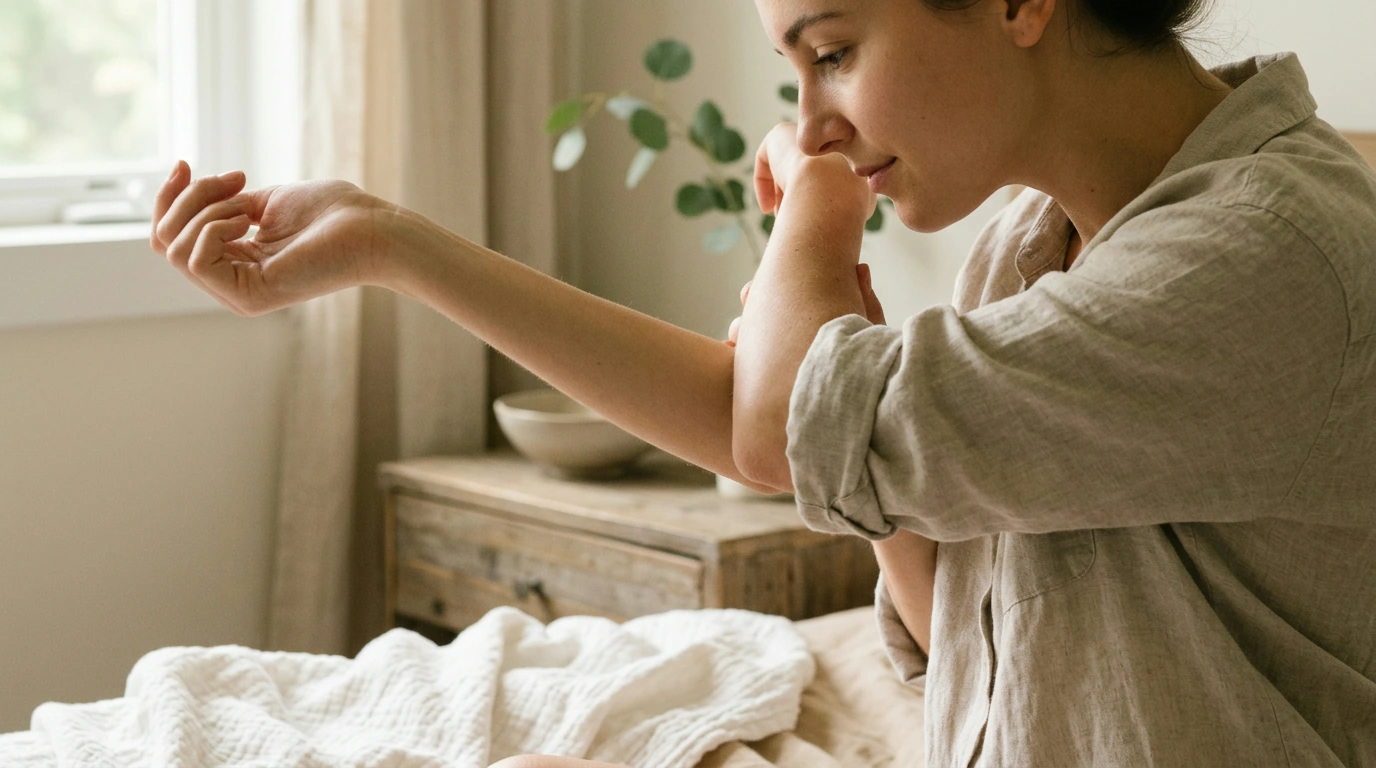
Move to your arms. With one hand, make slow strokes along the opposite forearm, adjusting your reach so your shoulder stays relaxed. Turn your hand over and use a fingertip or thumb to make gentle circles in the palm. Repeat on the other side if you wish, easing pressure around any tender spots.
For your legs, sit comfortably and use slow strokes over your thighs and calves. Keep the movements easy and avoid swollen or injured areas. You do not need to cover the entire leg; a few comfortable strokes in one area are enough.
To finish, remain seated and bring one foot within easy reach. Apply gentle pressure across the sole with your fingers or thumb, then switch feet if you like. Avoid tender or injured areas, and stop if reaching your feet causes strain. Pause before standing and notice how you feel.
A Gentle Routine at a Glance
| Area | Simple technique | Comfort cue |
|---|---|---|
| Temples | Light circles with fingertips | Keep pressure gentle and avoid the eyes |
| Shoulders | Slow, relaxed strokes | Avoid the front of the neck |
| Hands and forearms | Palm circles and forearm strokes | Ease pressure around tender spots |
| Legs | Slow strokes over thighs and calves | Avoid swollen or injured areas |
| Feet | Gentle pressure across the soles | Stay seated and stop if uncomfortable |
Make the Routine Your Own
You don’t have to work from head to toe every time. Pick one or two areas that are easy to reach and appealing to focus on, such as your palms and forearms or your shoulders. Your hands are enough for a simple routine, so there is no need to gather special equipment before you begin.
A short session can fit into a morning pause or become part of a quiet evening. Choose a time when you can sit or stand comfortably without rushing. Between areas, rest your hands for a moment and notice whether you want to continue, change the pressure, or stop. Some days you may prefer a few light strokes; on others, you may decide not to massage at all.
For another way to explore personal preferences, our Beauty Needs Quiz is also available. You can browse it separately from your self-massage routine and decide whether it interests you.
When to Pause or Seek Advice
Comfort is your guide, but some areas are best left alone. Avoid massaging over open wounds, bruises, inflamed skin, or painful swelling. Skip injured or tender spots, even if they are part of an area you had planned to include. If massage causes pain or other concerning symptoms, stop rather than trying to work through them.
If you have a medical condition, an injury, or any concern about whether massage is safe for you, check with a healthcare professional before starting. Seek prompt medical advice for unexplained swelling or severe symptoms. A professional can help you decide what is appropriate for your circumstances.
For general information on massage and safety considerations, the National Center for Complementary and Integrative Health offers an overview.
Explore Self-Massage Techniques for Full-Body Ease
If gentle self-care is something you’d like to make room for, our team invites you to explore Self-Massage Techniques for Full-Body Ease. It is listed at $39.99 and is currently in stock.
Think about the time and space you have available, as well as the areas you feel comfortable focusing on. A routine can remain flexible: you can begin with a few minutes, use your hands, and stop whenever you need to. Visit the product page for current details and decide whether it fits the way you prefer to approach your personal routine.
FAQ
How long should a self-massage session last?
Start with a few comfortable minutes and adjust the duration to your preference. You can stop sooner whenever you wish.
Should self-massage hurt?
No. Use gentle pressure and stop if a movement causes pain.
Do I need special tools for self-massage?
No. Your hands can be enough for a simple self-massage routine.








Leave a comment